NO SCARS ∙ NO DENTS ∙
NO FACIAL PARALYISIS

PAROTIDECTOMY MINI – INCISION™
The OSBORNE INCISION™ is a procedure to remove a parotid tumor with a small incision, allowing patients to recover more quickly.

PAROTIDECTOMY TRANS-ORAL
In certain patients, a tumor may be removed completely through the mouth (transoral parotidectomy), avoiding incisions on the face.

DEEP LOBE TUMOR TREATMENT
Tumors which are located deep to the facial nerve are rare. Dr. Osborne has extensive experience treating deep lobe parotid tumors.

RECURRENT PAROTID TUMORS
We specialize in removing recurrent tumors while maintaining facial nerve function and facial symmetry.

SALIVARY STONE REMOVAL
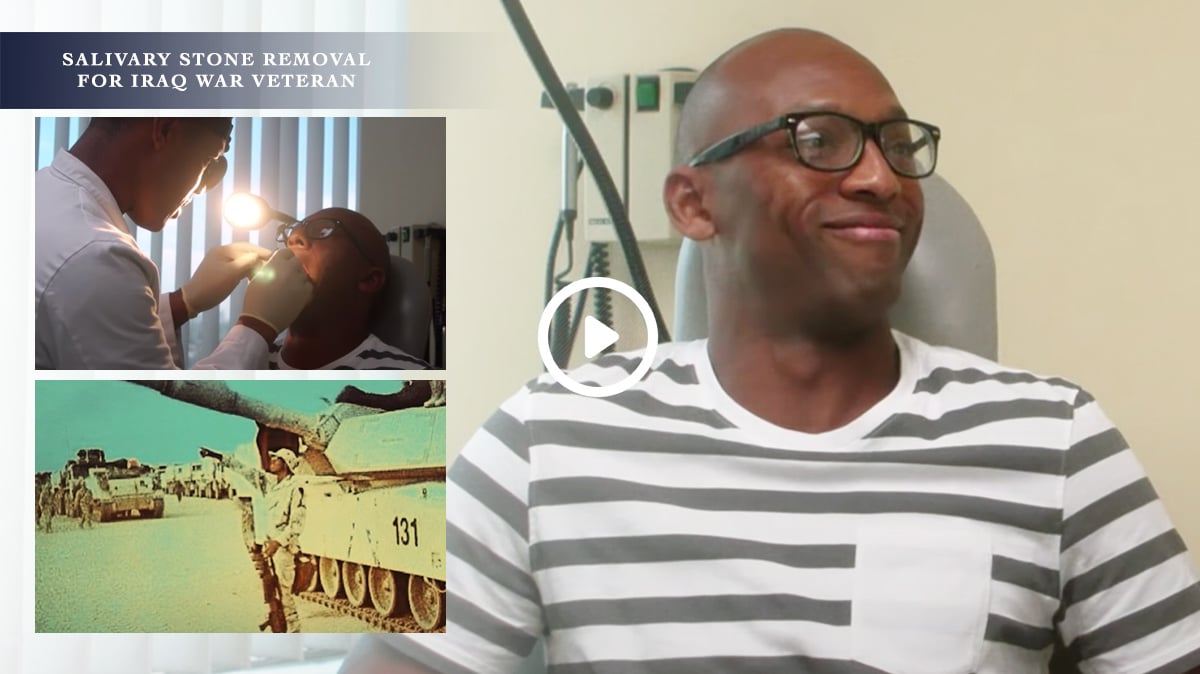
Non-surgical removal of salivary gland stones procedure called sialendoscopy that carries a zero percent risk of facial nerve paralysis.

FREY’S SYNDROME
Frey’s Syndrome is thought to occur in all patients who have parotid surgery without reconstructive surgery.

hypersalivation treatment
Drooling should be evaluated by a salivary gland specialist, who is adept at treating rare conditions that affect the salivary gland system.

Xerostomia / Dry Mouth
Patients suffering from persistent xerostomia often suffer from some form of associated chronic disease or are undergoing treatment for a disease.
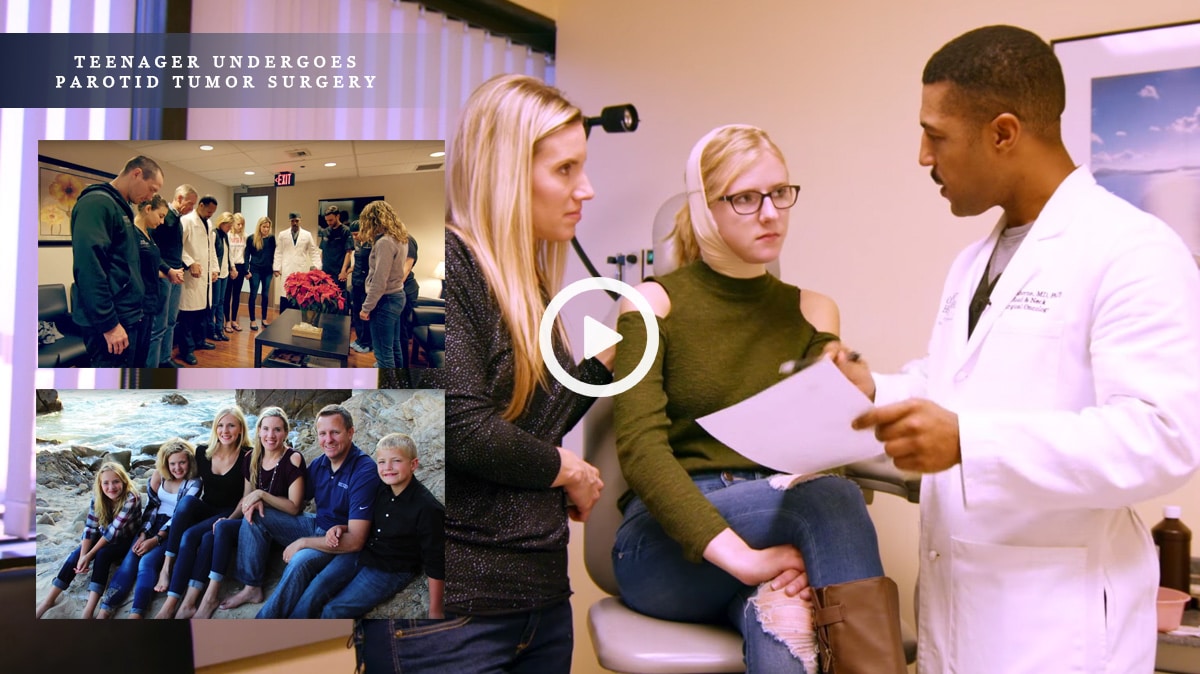
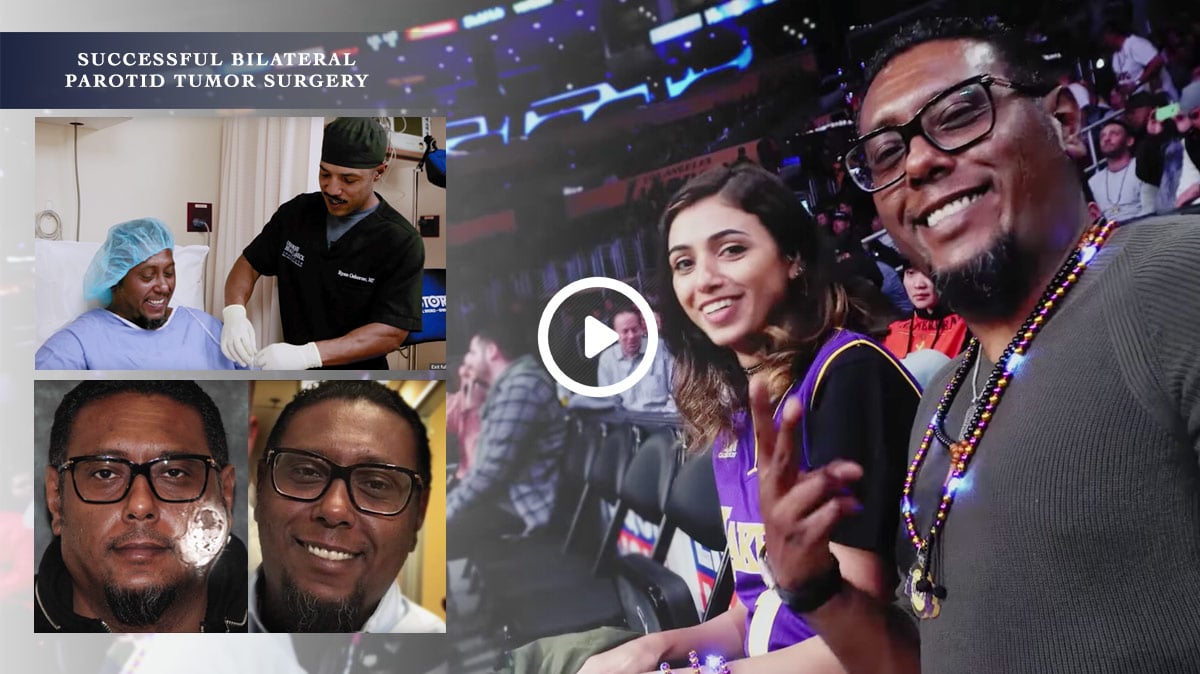
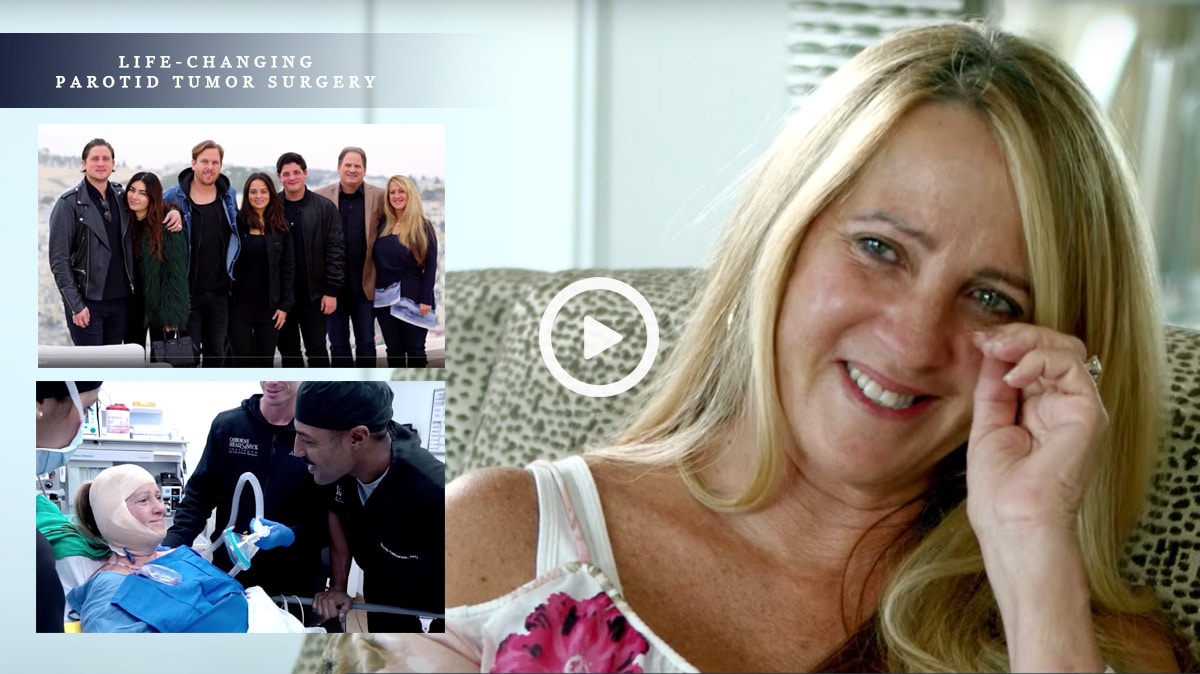
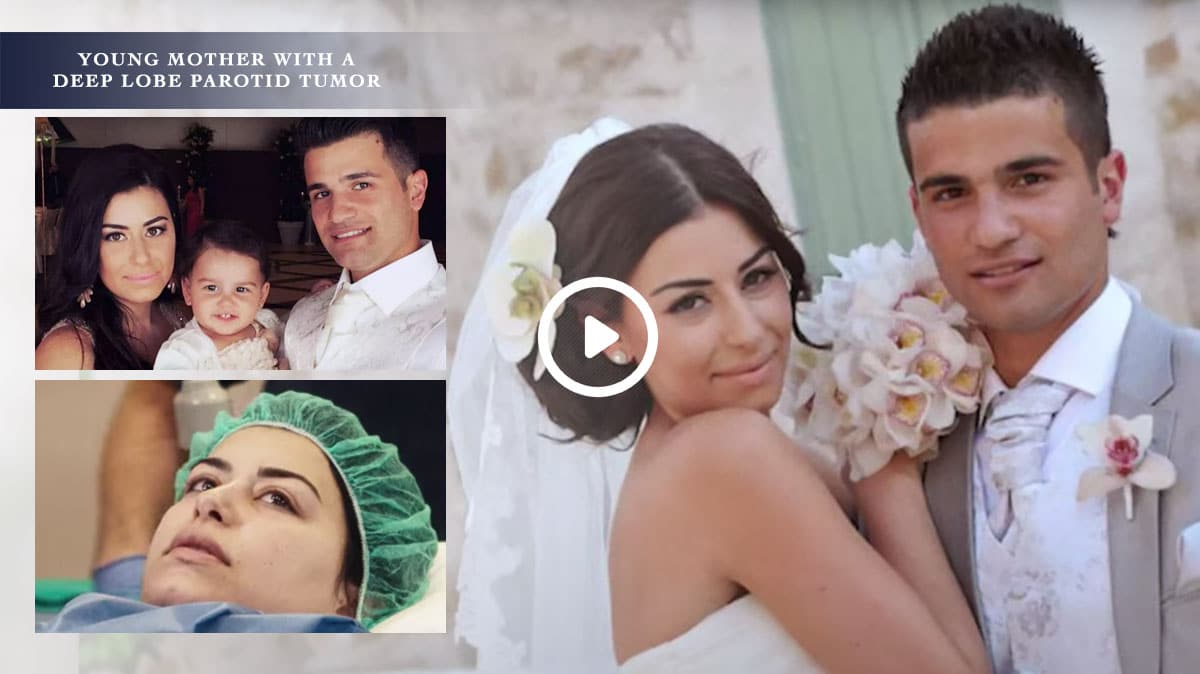
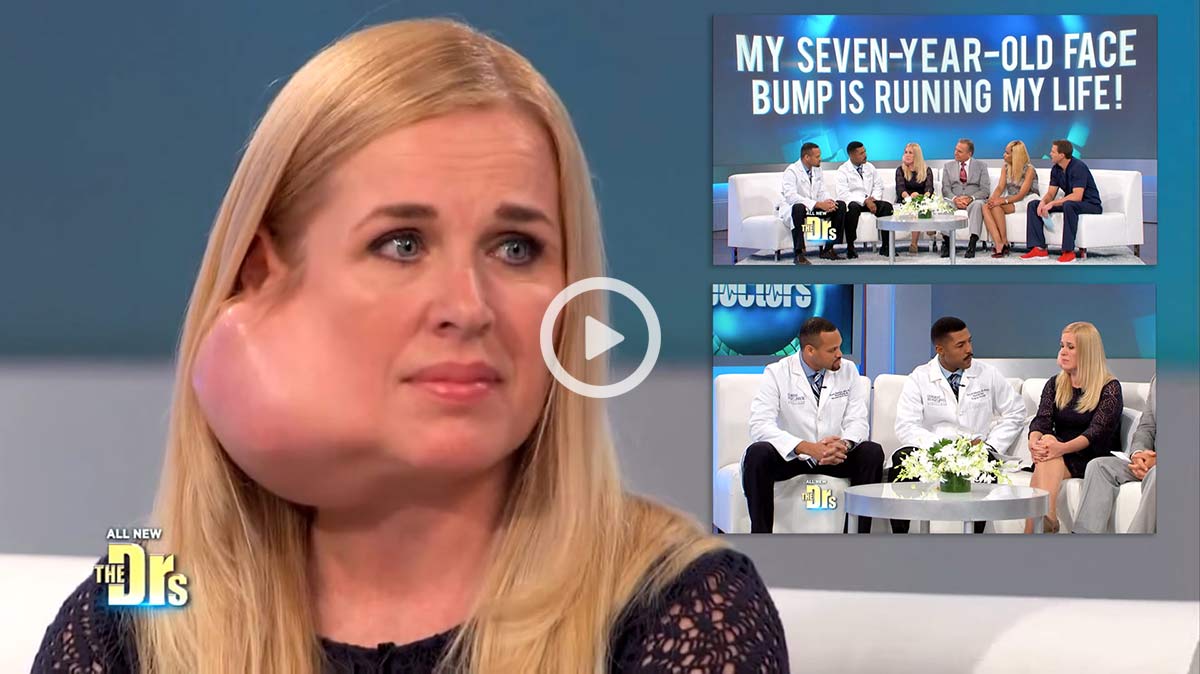
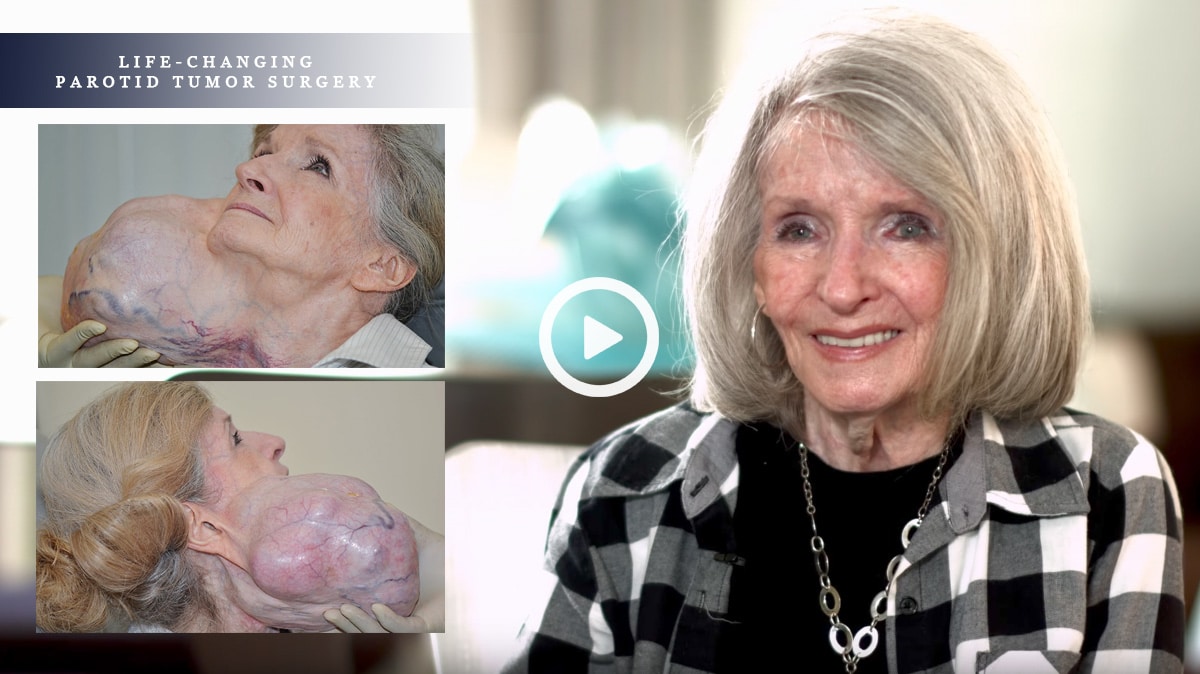
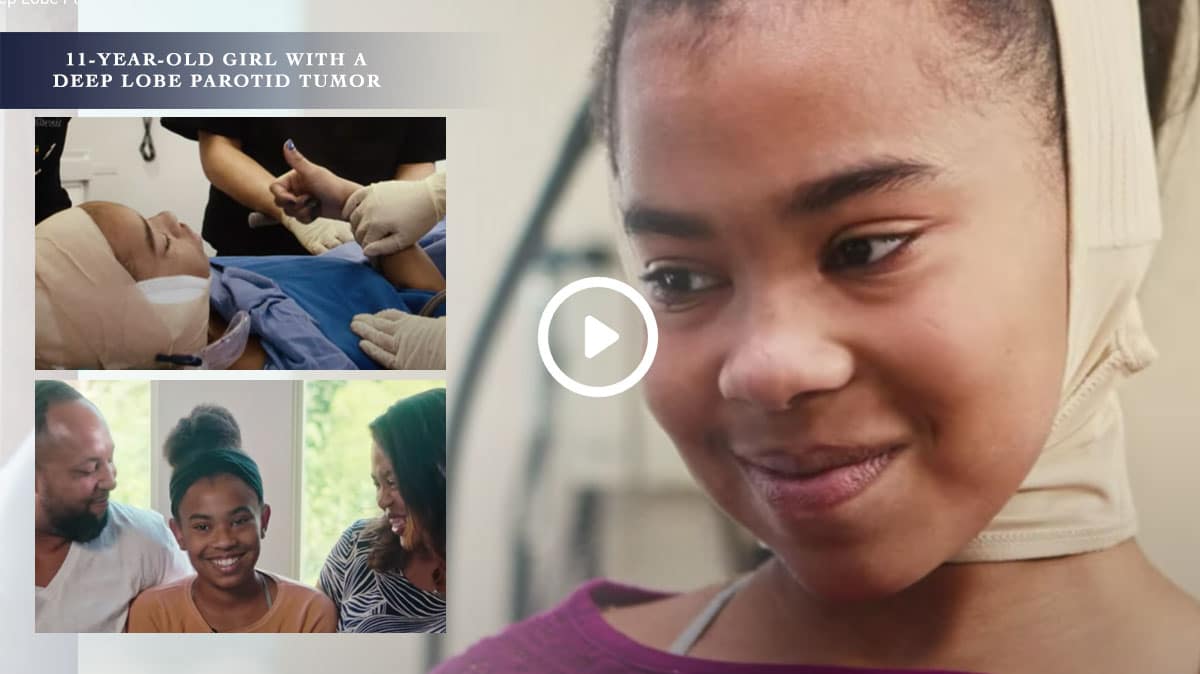
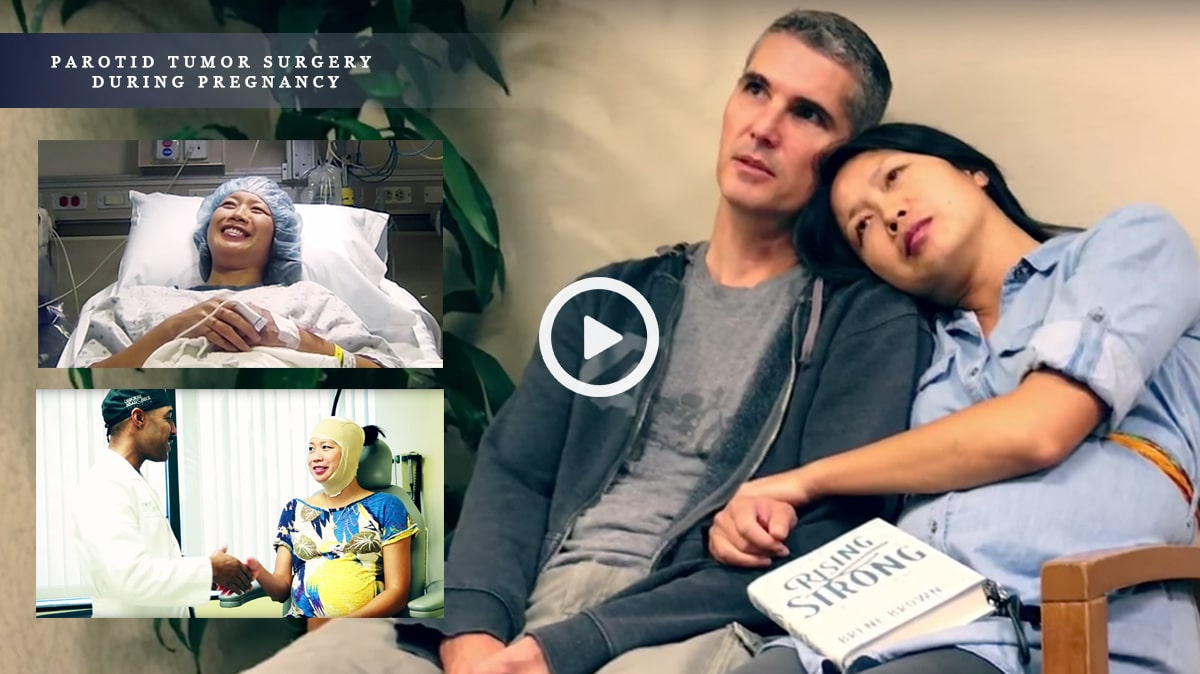


Watch our documentary series
OHNI Case Files
now streaming

SUBSCRIBE TO OHNI

RATE & REVIEW OUR CASE FILES
Patient Care Excellence
Ryan F. Osborne, MD FACS specializes in parotid, submandibular, sublingual, and minor salivary gland surgery, as well as correction of complications associated with previous salivary gland procedures with a strong emphasis on minimally invasive tumor surgery. Jason S. Hamilton, MD FACS specializes in reconstructive facial surgery, correction of Frey’s Syndrome and reconstruction after parotidectomy surgery. As a surgical team, Dr. Osborne and Dr. Hamilton have performed more salivary gland procedures and reconstructive facial surgery than any other surgical team in the world. They are currently managing over 20 patients a week.
Their unique approach to surgery, combined experience, and constant innovation has allowed them to create many new and innovative surgical procedures that have bridged large gaps in current surgical techniques including transoral salivary gland surgery, reconstructive flaps for facial defects, and expanded the scope of sialendoscopy procedures to remove stones traditionally thought too large to be removed via traditional endoscopic techniques. Dr. Osborne and Dr. Hamilton are also considered master diagnosticians often serving as tertiary consultants, diagnosing elusive previously undiagnosable conditions.
They have published extensively with over 80 peer-reviewed publications, books chapters, and online articles. Dr. Osborne and Dr. Hamilton have been invited speakers to many national and international conferences and are regarded as world leaders in the treatment of salivary gland disease. Here your safety and satisfaction are the top priorities and our goal is simple, to safely perform your procedure while maintaining a normal appearance and minimizing any potential complications. The doctors are Board Certified and Fellowship trained in both tumor removal (Dr. Osborne) and plastic surgery (Dr. Hamilton).
Please contact us today to learn more.
SUCCESS RATES
PATIENTS WITHOUT FACIAL PARALYSIS
PATIENTS WITHOUT FREY’S SYNDROME
COMPLETE TUMOR REMOVAL

Dr. Ryan F. Osborne, MD, FACS
Ryan F. Osborne, MD FACS is the Director of Head and Neck Surgery at the Osborne Head and Neck Institute (OHNI) and is an internationally renowned expert in head and neck oncology. Dr. Osborne has developed a special interest in the treatment of parotid gland tumors and focuses on the use of minimally-invasive techniques in the care of patients needing parotid surgery.
Dr. Osborne specializeS in parotid, submandibular, sublingual and minor salivary gland surgery.
CURRENTLY TREATING 15-20 PATIENTS PER WEEK FOR PAROTID TUMORS AND SALIVARY GLAND STONES WITH A 100% SUCCESS RATE AND ZERO FACIAL PARALYSIS WITH PAROTIDECTOMY AND SIALENDOSCOPY (SALIVARY STONE REMOVAL) PROCEDURES.
Case Profiles
View x-rays, pathology, and patient images.


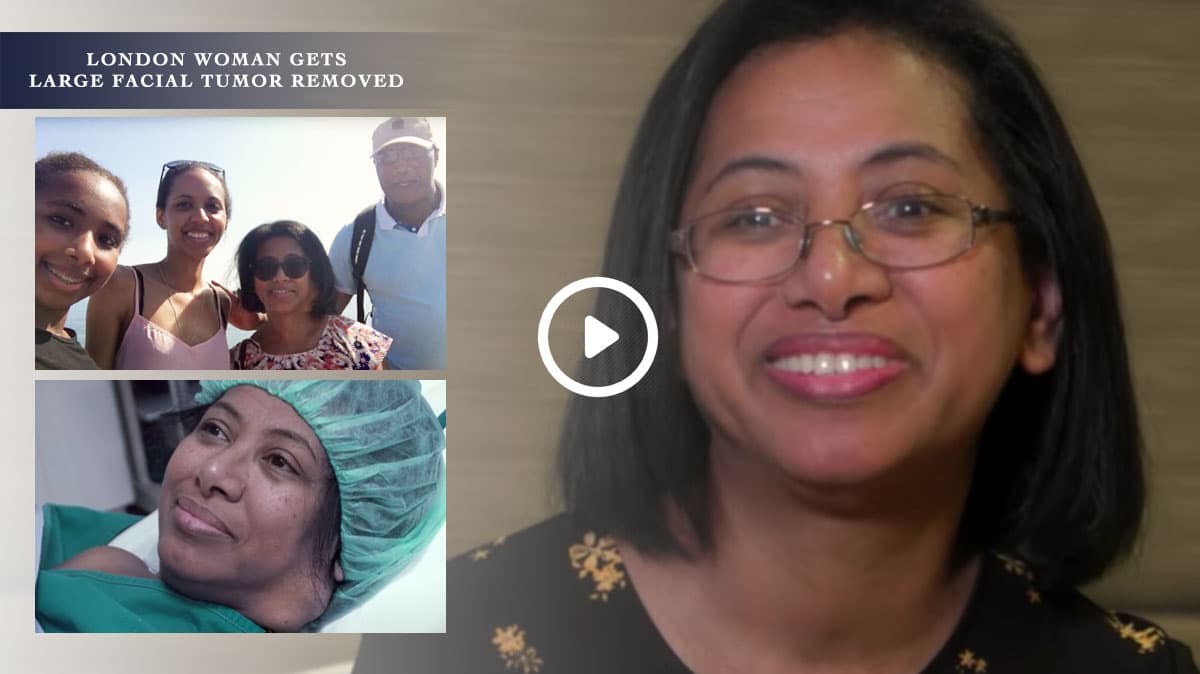
My benign parotid gland tumor was a 31 year growth until my daughter found OHNI’s incredibly informative website, miraculously, it seemed to me. For I had years ago given up hope of finding a doctor to safely and without facial nerve damage, remove my increasingly grotesque looking and physically debilitating tumor.
Remarkably, after an 11 hour procedure to remove a 7 pound approximate weight tumor, I experienced no pain whatsoever. That first night, to quell the worry of family who insisted I’d need it, I reluctantly took one prescribed painkiller. That very next day we had lunch out after a tour of the market.
I felt great! In the following days I had bruising and swelling of my face that subsided within the week, but no discomfort. On the third day post surgery, following the removal of the drain, the entire staff gathered in that little room for a look at the new me….

Dr. Osborne and Dr. Hamilton were truly an answer to my prayers. I have seen many surgeons over the last 8 years. Even though a parotid tumor isn’t the end of the world, the standard surgery seemed to be close. I had talked to surgeons and patients alike. None of whom gave me a very promising outcome. I searched online and found the website. I looked several times before I finally set up a consult.
Had I known how wonderful these two surgeons were, I would have been here sooner. They made no promises, but they let me know they would do everything humanly possible… And they did. My surgery was better than I could have ever dreamed. I’m still having a hard time realizing the smile on my face is real. They may have only done what was humanly possible, but I believe God blessed them with skills beyond most men. They also have a wonderful energy that is carried throughout the entire office staff. Thank you.
animated procedures


dr. OSBORNE is THE FOUNDER OF osborne head & Neck foundation


Our humanitarian projects stretch across 5 continents, and broadly focus on: improving access to ear, nose and throat health services; head and neck surgical care; mentoring youth leaders; advancing child welfare and development; growing socially and community-conscious businesses.

Research & Publications
Dr. Osborne and Dr. Hamilton are dedicated research scientists with over 80 book chapters and peer-reviewed journal articles published in the medical literature. Many of their research papers have focused on the diagnosis and management of parotid tumors and the reconstruction of facial defects caused by head and neck surgical procedures. They continue to actively investigate and develop minimally invasive procedures for the treatment of parotid tumors.

“I cannot express my gratitude enough for the excellent job Dr. Osborne and Dr. Hamilton and their staff did on my parotid gland tumor. I was diagnosed with it seven years ago and spent the last 7 years interviewing ENT’s and searching for someone who had a less invasive way of removing it and a way to monitor my nerves during surgery and a plastic surgeon to open and close the site.
These doctors have exceeded all my expectations on every front. I was very relieved after our initial visit, the surgery went off without a hitch and the recovery has been easy. I highly recommend these doctors for anyone with parotid gland issues. They are light years ahead of anyone else in their specialty! We really appreciate everything they have done for us. Thank you so much.”
Your Parotid Surgery
Having parotid surgery and finding the right surgeon to perform your procedure can be stressful. From the worries of possible tumor recurrence, to the risk of permanent facial paralysis and deforming facial scars, it is always in your best interest to get a second opinion. Remember, most physicians only perform 1-4 of these procedures a year. At the Institute, we often perform as many procedures in one week. There is no substitute for focus and experience. Dr. Osborne and Dr. Hamilton work together to provide a sound tumor surgery combined with a cosmetically appealing outcome. We understand that it is often inconvenient, time-consuming and expensive for patients to fly to our Los Angeles office for a consultation, then fly back again a few weeks later for surgery. We have designed a program to facilitate your experience that will allow you to determine the best options available to you from the comfort of your home.
BECOME OUR PATIENT
The first step is to call or email our patient care consultant, and request a preliminary phone or in-office consultation with one of our specialist regarding your complaint.
MEET US TODAY
Connect with us.
Osborne Head and Neck Institute has been at the forefront of telemedicine for many years. All you need to start is a cell phone or a computer to get started. Please contact our office to schedule a new appointment or convert your scheduled office appointment to a quick and easy video / phone consultation.
OFFICE HOURS
Mon-Thur – 8:30am – 5:30pm
Fri – 8:30am – 5:00pm
