Osborne Head & Neck Institute | Los Angeles
Parotidectomy Recovery
Healing, Timeline & What to Expect After Surgery
Ryan F. Osborne, MD, FACS | Fellowship-Trained Head & Neck Surgical Oncologist
Medically Reviewed By: OHNI Clinical Staff · Last Updated: November 3, 2026
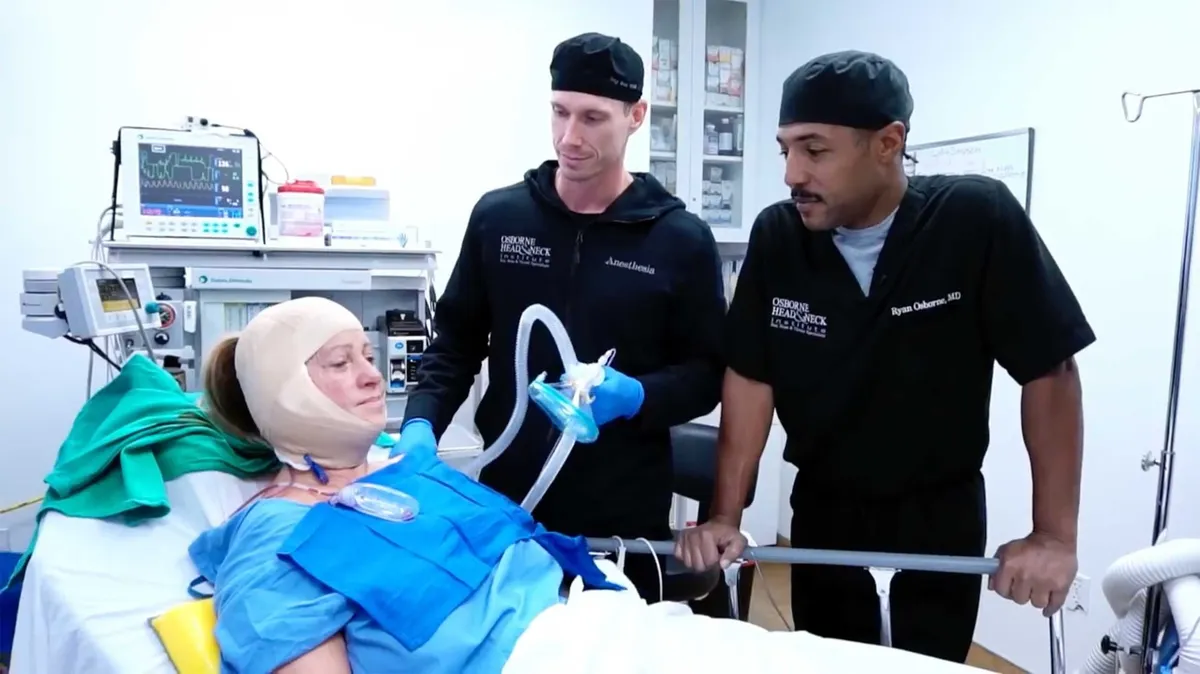
First 24–48 Hours
Immediate Postoperative Period
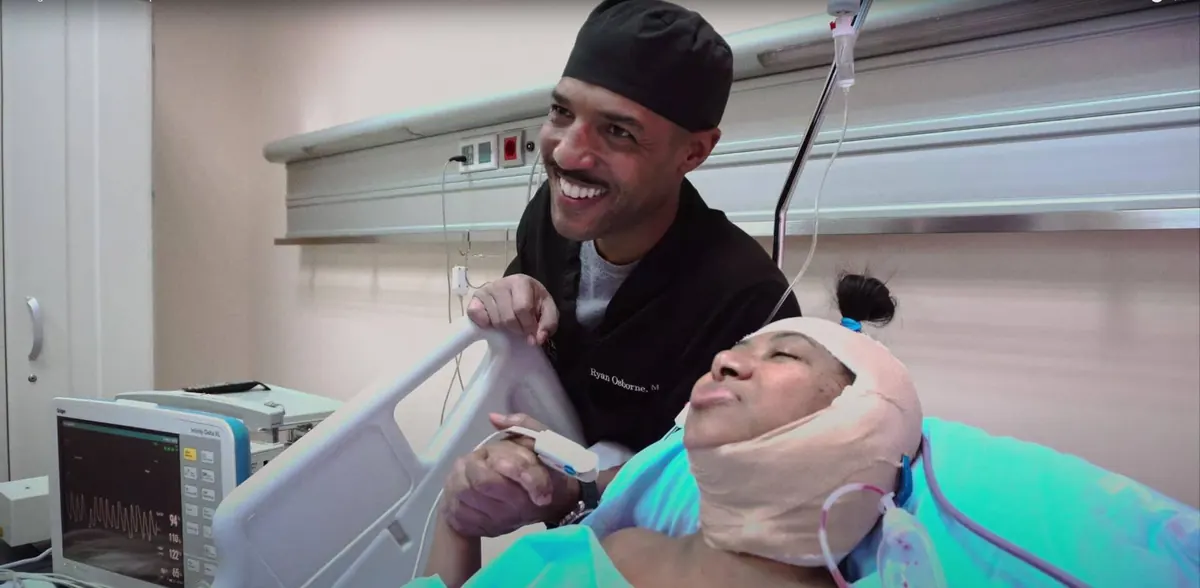
Following parotidectomy, patients are monitored for comfort, swelling, and early healing. Most patients are discharged the same day or after a short observation period.
Mild to moderate swelling near the surgical site
Temporary tightness or discomfort
Drain placement (in some cases) to prevent fluid accumulation
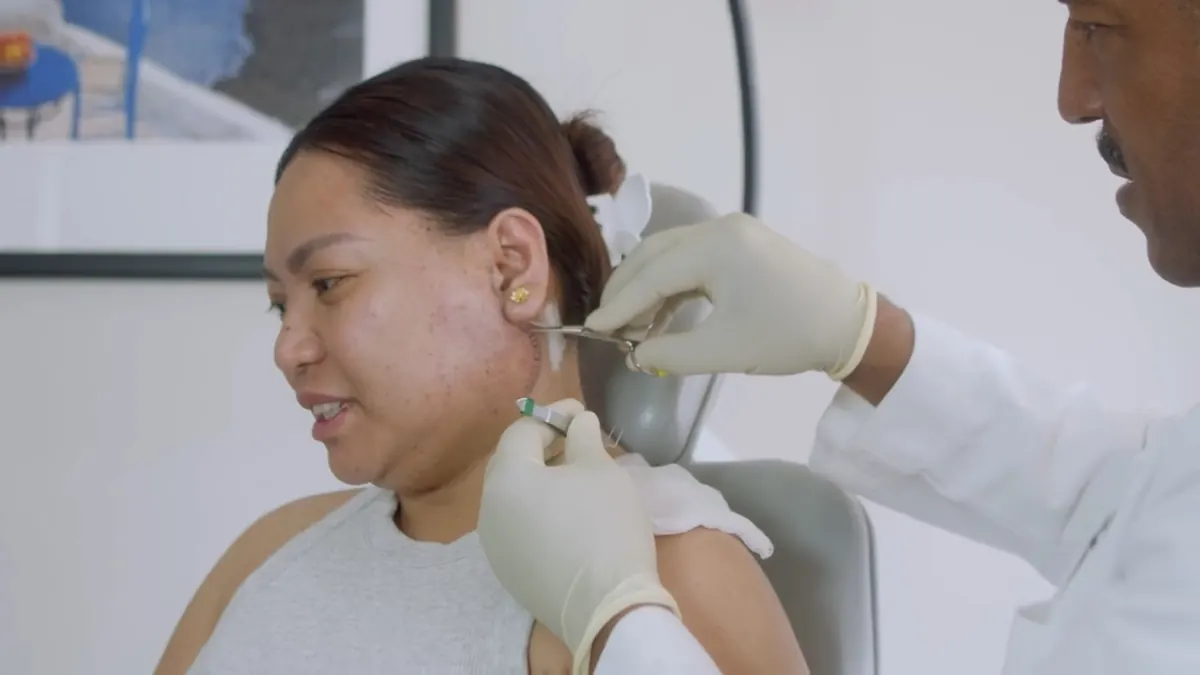
Days 3–7
The First Week of Parotidectomy Recovery
During the initial recovery phase, healing progresses steadily. Patients are typically seen for early follow-up.
What to Expect
Activity Guidelines
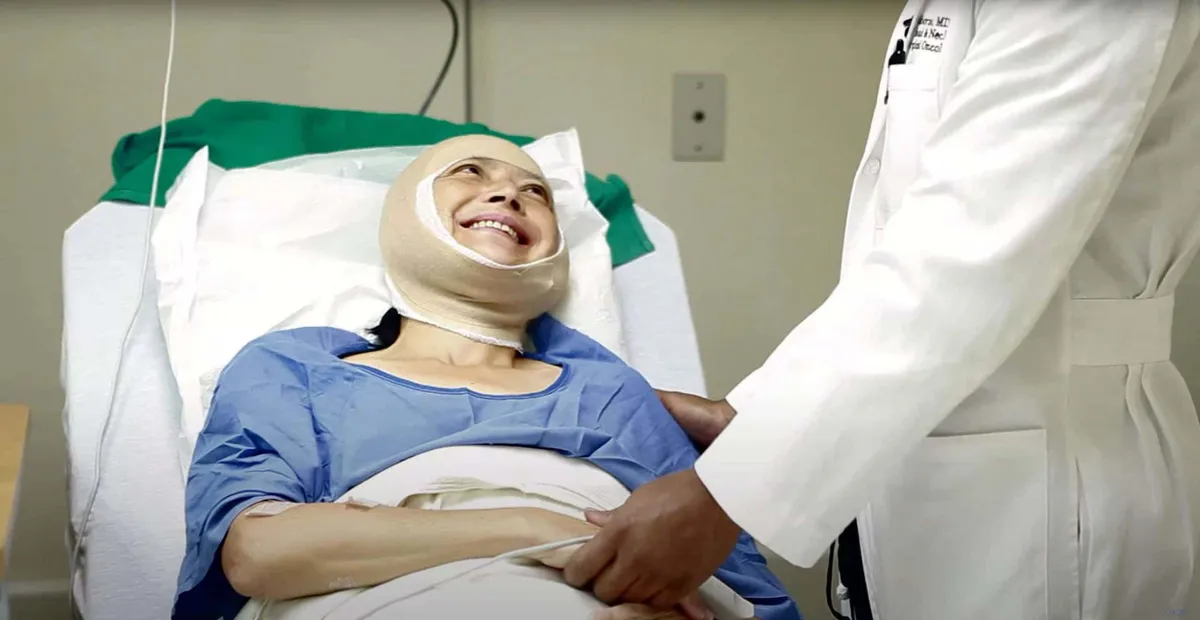
Nerve Function
Facial Nerve Recovery
Some patients may notice temporary facial weakness following surgery, often due to nerve manipulation.
Temporary Weakness
Mild weakness may resolve within weeks. More noticeable weakness may take several months to fully recover.
Long-Term Function
Permanent facial weakness is uncommon when surgery is performed with advanced nerve preservation techniques.
Weeks 2–6
Progressive Healing
During this phase, patients typically experience continued improvement. Most resume regular routines, including work and light exercise.
Swelling continues to decrease
Incision begins to mature and fade
Return to normal activities increases
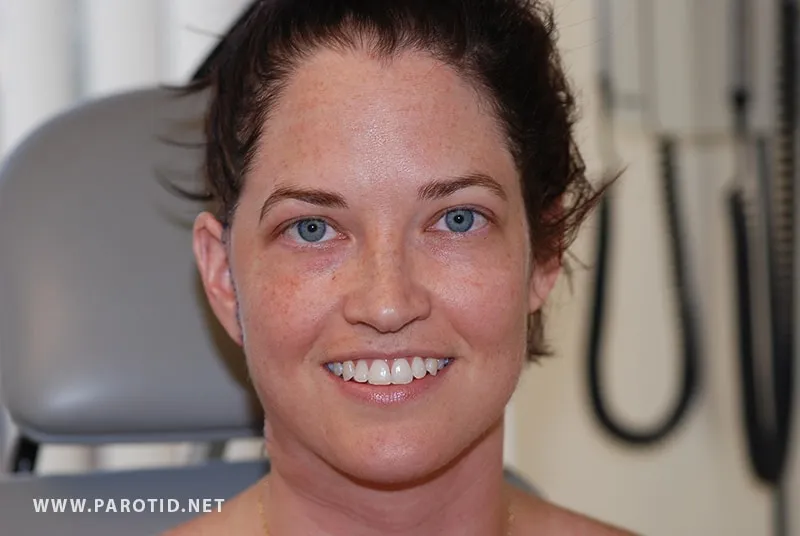
Long-Term
Long-Term Recovery & Outcomes
Scar Healing
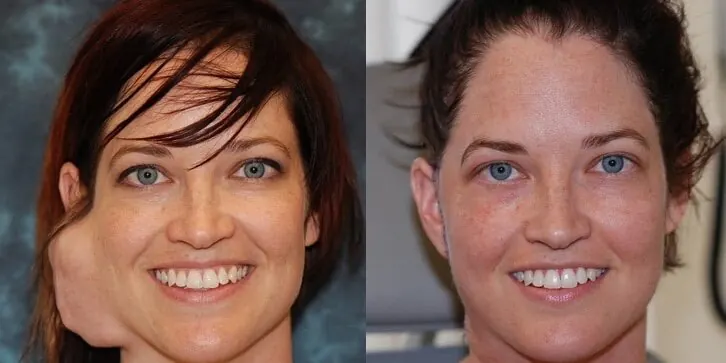
Incisions are placed in natural skin creases to minimize visibility. Scars continue to soften and fade over time.
Facial Contour
Subtle contour changes may occur depending on extent of gland removal. Reconstructive techniques often minimize these.
Sensation Changes
Temporary numbness around the ear or jaw is common and often improves gradually over several months.
Patient Guidance
Managing Common Postoperative Concerns
Most concerns after parotidectomy are predictable, manageable, and resolve with proper care and follow-up.
Swelling & Discomfort
Typically improves within the first few weeks, managed with standard postoperative care.
Salivary Function
Most patients maintain adequate salivary function due to compensation from remaining glands.
Frey's Syndrome
Some patients may develop sweating in the cheek area during eating, although preventative techniques reduce this risk.
Complex Cases
Recovery in Complex Cases
Patients undergoing surgery for deep lobe tumors, malignancy, or revision procedures may experience a longer or more variable recovery course.
Closer follow-up may be required
Additional therapies may be recommended
Best Practices
Optimizing Recovery
Follow Postoperative Instructions
Careful adherence to wound care and activity guidelines supports optimal healing.
Attend All Follow-Up Appointments
Scheduled visits allow your surgeon to monitor healing and address any concerns early.
Report Unexpected Symptoms Promptly
Early communication allows for prompt evaluation and management of any complications.
Stay Informed
When to Contact Your Surgeon
Early communication allows for prompt evaluation and management. Contact your surgeon if you experience:
Increasing swelling or pain
Signs of infection (redness, drainage, fever)
Persistent or worsening facial weakness
Real Patients. Real Outcomes.
Patient Reviews for Osborne Head & Neck Institute
Each story reflects what matters most: accurate diagnosis, thoughtful treatment, and outcomes that restore both function and confidence.
Hear From Our Patients
Patient Testimonials
Patients travel from across the United States and around the globe for salivary gland and parotid surgery at the Osborne Head & Neck Institute. Find a story from your state or country and see what the journey looked like for someone in your position.
View Patient TestimonialsPATIENT EDUCATION
Parotidectomy Recovery FAQs
Most patients return to daily activities within 2–4 weeks. Initial swelling and bruising improve within the first 1–2 weeks, though complete healing may take several months.
Many patients return to desk work within 1–2 weeks. Physical or strenuous work may require 3–4 weeks of recovery depending on the extent of surgery.
Some numbness near the ear and jawline is common after surgery and is usually temporary. Sensation typically returns gradually over weeks to months.
Contact your surgeon if you experience increasing swelling, fever, wound drainage, sudden facial weakness, or signs of infection during your recovery.
Follow your surgeon's wound care instructions, keep the area clean and dry, avoid sun exposure to the scar, and use recommended scar management treatments to optimize healing.
Why Choose OHNI
Not Big Medicine | Personalized, Global Expertise
Many patients assume the best care is found at large, well-known institutions. While these centers offer excellent care, they often operate within standardized systems shaped by regional training models.
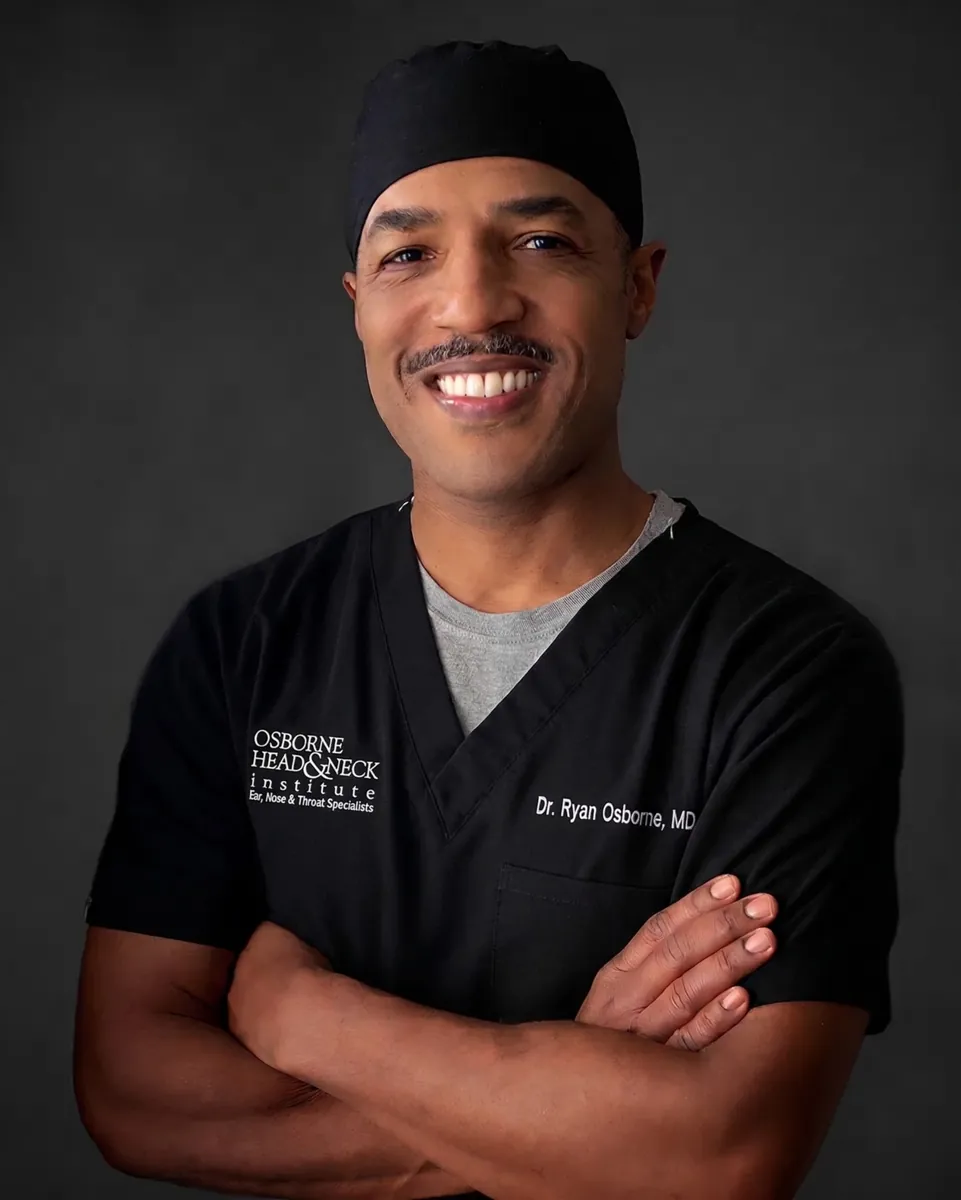
At OHNI, Dr. Ryan Osborne offers something fundamentally different: a truly global perspective combined with highly personalized surgical care with experience across five continents, tailoring each procedure to the individual patient, not the system.
Global Perspective
Experience across five continents, applying diverse surgical philosophies and techniques beyond standard U.S. training.
Precision & Preservation
Specialized techniques like Extra-Capsular Dissection designed to minimize invasiveness while protecting the facial nerve.
Patient-First Care
Direct surgeon access, individualized treatment planning, and a focus on both medical outcomes and quality of life.
Proven Outcomes
Patients consistently highlight clear communication, confident surgical decisions, and excellent functional results.
Your Recovery, Our Priority
A structured parotidectomy recovery plan, combined with specialized surgical expertise, supports optimal healing, preservation of function, and excellent long-term outcomes.
Become a Patient
Contact the Osborne Head & Neck Institute for expert surgical care and comprehensive recovery support.